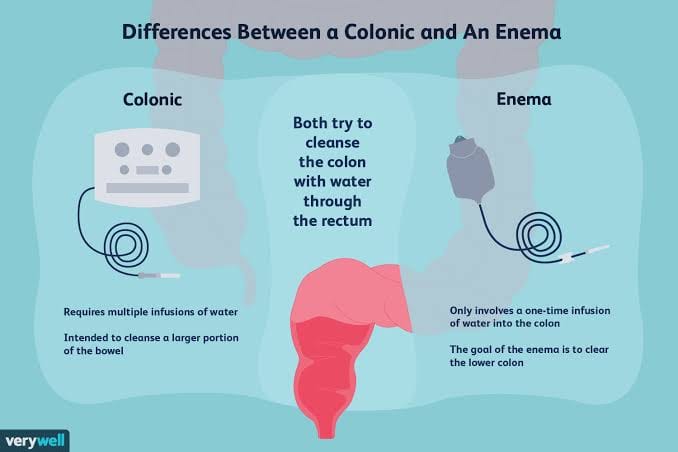
As practitioners in the field of natural medicine, it’s essential to comprehend the variety of techniques available for promoting gastrointestinal health. Among these, colonic irrigation and enemas are two popular methods often confused due to their similar purposes of cleansing the colon. However, they exhibit significant differences in their application, technique, and therapeutic goals. This article seeks to delineate these differences, providing a clearer understanding for healthcare providers committed to natural healing practices.
What is Colonic Irrigation?
Colonic irrigation, also known as colon hydrotherapy, is a therapeutic procedure that involves the gentle infusion of water into the rectum using specialized equipment. The process typically utilizes a closed system, where filtered, warm water is introduced into the colon via a tube. As the water circulates through the colon, it helps to soften stool, flush out toxins, and promote the removal of accumulated waste. A session can last anywhere from 30 to 60 minutes, with some practitioners integrating abdominal massage or other techniques to enhance efficacy.
Key Features of Colonic Irrigation:
– Professional Administration: Colonic irrigation is always performed by trained professionals in a clinical setting, ensuring safety and adherence to hygiene standards.
– Volume and Filtration: Colonic irrigation typically involves administering a much larger volume of water (often several liters) than an enema, which allows for a more extensive cleanse.
– Multiple Passes: The procedure often includes multiple infusions and evacuations of water, allowing for thorough cleaning of the entire colon.
– Supportive Techniques: Many practitioners utilize complementary methodologies, such as dietary advice or herbal supplements, to enhance the overall therapeutic approach.
What is an Enema?
An enema involves the insertion of a solution into the rectum and colon through a tube for therapeutic, diagnostic, or cleansing purposes. The volume of fluid introduced during an enema is generally smaller than that used in colonic irrigation and is often limited to 500 ml or less. Enemas can utilize various solutions, including saline, coffee, or herbal infusions, depending on the desired outcomes, such as promoting bowel movements or delivering medication.
Key Features of Enemas:
– At-Home Application: Many patients perform enemas in the comfort of their homes, with minimal instruction required, depending on the type of enema used.
– Smaller Volume: The smaller volume of fluid used in enemas can limit their effectiveness for deeper cleanses compared to colonic irrigation.
– Variety of Solutions: The type of solution used in enemas can vary widely, offering flexibility in targeting specific health concerns, such as constipation or detoxification.
– Shorter Duration: Enemas typically take less time to perform than colonic irrigation, often requiring only a few minutes.
Key Differences
1. Technique and Equipment: Colonic irrigation employs specialized equipment with a closed system, while enemas can use basic home kits or pre-made solutions.
2. Volume and Frequency: Colonic irrigation involves larger volumes and may be repeated multiple times in one session, whereas enemas generally use smaller volumes and are typically single-use.
3. Administration Setting: Colonic irrigation is conducted in a clinical setting by trained professionals, providing a controlled environment; enemas can often be self-administered.
4. Therapeutic Goals: While both methods aim to cleanse the colon, colonic irrigation aims for a far more extensive detoxification process, whereas enemas may focus on local treatment or symptom relief.
5. Patient Experience: Due to the longer duration and additional techniques involved in colonic irrigation, patients may experience a more comprehensive treatment versus a straightforward enema.
In conclusion
For practitioners of natural medicine, understanding the differences between colonic irrigation and enemas is crucial for providing optimal care to patients seeking gastrointestinal health improvement. Both therapies can certainly play a role in detoxification and bowel management, yet their methodologies, applications, and therapeutic benefits vary significantly. By employing the appropriate technique tailored to individual patient needs, we can enhance healing, promote well-being, and guide our patients towards natural solutions for their digestive health.
—
This article aims to inform and clarify the principles underlying these practices and support natural health practitioners in making the best choices for patient care. Always consider the unique conditions of each patient and approach treatment from a holistic, informed perspective.
Lecture Note by;
Prof. Kayode Oseni 
Dean of School of Natural Medicine, Cyrillic College of Homeopathy and Holistic Health Sciences
For more write ups like this, kindly follow the link below;
https://chat.whatsapp.com/Fj5LYnatO8PAwPplAFZdpH
Admission is also open in various programmes of Alternative Medicine with 50% scholarship applicable. For more information, kindly contact 0708 874 0708 874 4525 or at acyrilliccollege@gmail.com