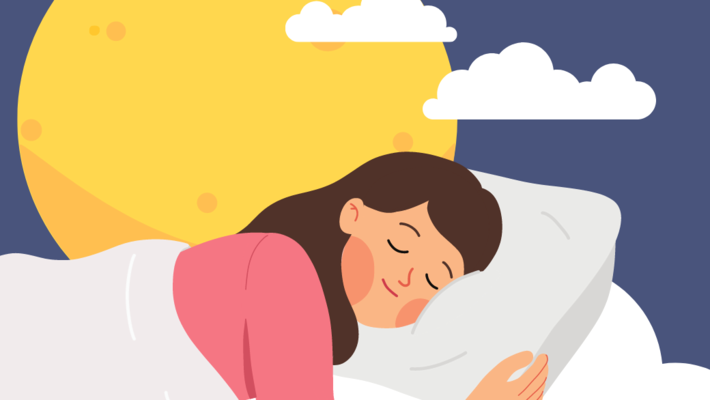
Sleep is one of the simplest, most profound tools for health. It requires no prescription, no complicated procedures, and no special equipment. Yet its impact on our body, mind, and spirit is immeasurable. At Cyrillic College, we often remind our students and community that sleep is not a luxury, but a necessity. It is the natural medicine we all carry within ourselves.
When we sleep well, our body repairs tissues, strengthens the immune system, and balances hormones. Our minds process the events of the day, organize memories, and clear away mental clutter. Our spirit finds calm and renewal. Conversely, insufficient or poor-quality sleep can quietly undermine every aspect of wellness, from metabolism to emotional resilience.
Why Sleep Matters
The science behind sleep is compelling. While we rest, the brain engages in memory consolidation, removing toxins that accumulate during waking hours. Deep sleep triggers the release of growth hormone, which repairs muscles, tissues, and bones. REM sleep, the stage where dreams occur, supports learning, creativity, and emotional processing.
Research has shown that people who consistently get fewer than seven hours of sleep are more prone to infections, slower healing, and increased risk of chronic conditions such as hypertension, diabetes, and heart disease. Sleep affects mood, attention, and decision-making, making it as essential for mental performance as it is for physical health.
In holistic medicine, we often say that the quality of your sleep determines the quality of your day. A body and mind that have rested are better equipped to face challenges, heal from stress, and embrace opportunities for growth.
Sleep Through a Holistic Lens
Different healing traditions have long recognized the value of rest. In Ayurveda, sleep—or nidra—is one of the three pillars of health, alongside diet and balanced daily activity. A proper sleep routine is seen as a form of preventive medicine that maintains balance in the doshas and supports overall vitality.
In traditional Chinese medicine, night is dominated by yin energy, which restores the body while yang energy retreats. Disruption of this natural rhythm—through artificial light, late-night activity, or overstimulation—can disturb energy flow and lead to imbalance.
Even Western herbal traditions have relied on sleep remedies. Chamomile, valerian root, hops, and lavender were commonly used to soothe the nervous system and promote restful sleep without harsh effects.
Common Barriers to Rest
Many people struggle to sleep well, and the reasons are familiar:
- Stress and Anxiety: Racing thoughts at night can prevent the mind from slowing down.
- Irregular Schedules: Shifting bedtimes confuse the body’s internal clock.
- Caffeine and Stimulants: Coffee, tea, energy drinks, and chocolate can interfere with sleep cycles.
- Screen Exposure: Phones, computers, and TVs emit blue light that delays melatonin production.
- Heavy Meals: Eating late or overeating can burden digestion and reduce sleep quality.
The first step toward better sleep is awareness. Understanding what disrupts rest allows us to make gentle adjustments that restore natural rhythms.
Practical Ways to Improve Sleep
Holistic medicine offers a variety of tools to support rest. The focus is not on forcing sleep, but on creating an environment where sleep can happen naturally.
- Herbal Support: Teas or supplements with chamomile, valerian, passionflower, or lavender can relax the nervous system.
- Mind-Body Practices: Breathing exercises, meditation, or progressive muscle relaxation calm the mind before bed. Journaling can help release lingering thoughts.
- Consistent Routine: Going to bed and waking at the same time each day signals the body that it is time to rest.
- Sleep Environment: A cool, dark, and quiet room supports deeper rest. Limit noise, bright lights, and electronic devices.
- Energy and Magnetic Therapies: Some integrative approaches, including gentle energy work or magnet therapy, can regulate nervous system balance and support relaxation.
Even small adjustments can make a significant difference. A warm bath, dim lighting, or a few minutes of reflection can help transition the body into rest.
When Sleep Refuses to Come
Occasionally, poor sleep persists despite best efforts. In such cases, it may be necessary to look deeper. Chronic stress, unresolved emotional challenges, or physical conditions like sleep apnea can be the cause. Holistic practitioners consider the whole person, seeking balance in lifestyle, emotional wellbeing, and physiological health. In some cases, a personalized plan combining lifestyle changes, herbal support, gentle therapy, and counseling is the most effective path to restorative sleep.
The Ripple Effect of Rest
Quality sleep does not benefit only the individual. A well-rested person engages more thoughtfully with family, friends, and colleagues. Mood improves, patience increases, and decision-making becomes clearer. Communities flourish when individuals honor their need for rest. Sleep is, in a way, a gift that spreads quietly to those around us.
At Cyrillic College, we emphasize the community aspect of wellness. When students, faculty, and families prioritize rest, the energy of that balance extends outward, creating a healthier, more resilient collective environment.
Practical Tips for Tonight
To take the first step toward better rest:
- Limit screens at least one hour before bed.
- Try a calming herbal tea or warm bath.
- Write down lingering thoughts to clear the mind.
- Go to bed at the same time each night.
- Keep your bedroom cool, dark, and quiet.
These small habits accumulate over time, creating lasting improvements in sleep quality, mood, and overall health.
Closing Thoughts
Sleep is nature’s medicine, freely available and remarkably effective. When we respect it, our bodies, minds, and spirits thrive. It is not a passive act, but an active investment in health and community wellbeing.
Tonight, allow yourself to rest fully. Set aside the busyness, surrender to the quiet, and let sleep do what it has done for humans since the beginning of time: restore, repair, and renew.
At Cyrillic College, we continue to teach that wellness is holistic. Sleep is not simply the absence of wakefulness; it is a cornerstone of life, learning, and healing. By prioritizing rest, we honor ourselves and the communities we care for.