Parasites are one of those things that most people do not really want to think about.
The idea that something can live inside the human body, feed from us and continue its own life cycle there is not exactly a pleasant thought.
Yet, parasite cleanses have become quite popular.
You see different teas, herbs, supplements and detox programmes being advertised for removing parasites from the body. Some people even do these cleanses from time to time, whether they have symptoms or not.
But how much do we actually know about parasites?
And what are they really doing inside the body?
A parasite is an organism that lives in or on another organism and depends on that organism for some of what it needs to survive. In humans, parasites can be found in different parts of the body, depending on the type of parasite.
Some live in the intestines. Some can live in the blood or tissues. Others may affect organs during different stages of their life cycle.
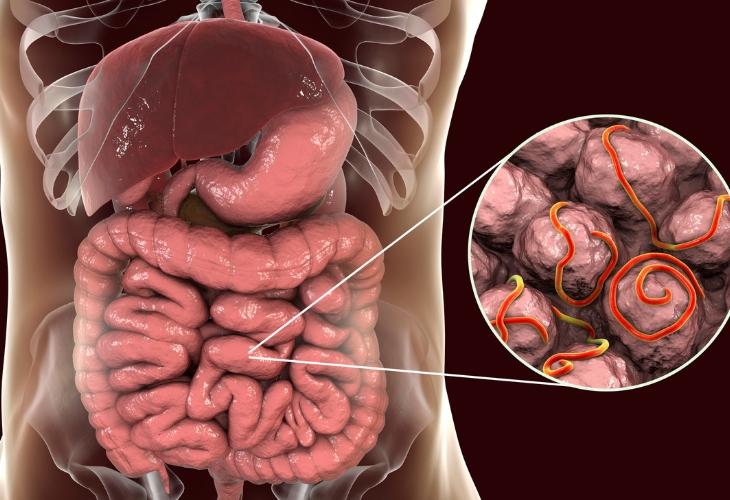
When we talk about parasites, many people immediately think about intestinal worms.
And yes, worms are among the parasites that can infect humans.
Some intestinal worms can compete with the body for nutrients. Some attach themselves to the intestinal wall and feed there. Certain types can cause blood loss, while others can cause inflammation or damage to tissues.
There are also microscopic parasites that do not look anything like the worms people normally imagine when they hear the word parasite.
This is important because parasites are not one single thing.
They are different organisms, with different ways of entering the body, different life cycles and different effects on the person they infect.
So when someone says, “I think I have parasites”, the next question should probably be, which parasite?
This is where parasite cleanses become a little more complicated.
There are many products marketed as natural parasite cleanses. They may contain different herbs or combinations of herbs that are traditionally believed to help with worms or other unwanted organisms.
But having a product labelled “parasite cleanse” does not necessarily mean that it can treat every parasitic infection.
Some parasitic infections require specific medicines. Some require laboratory testing before treatment. And some people who think they have parasites may actually be dealing with something completely different.
Bloating, tiredness, stomach discomfort and changes in bowel habits can happen for many different reasons.
It is easy to blame parasites because they sound like an obvious explanation.
But we should not assume.
The best approach is to understand what is actually happening in the body.
This does not mean that we should ignore traditional approaches to dealing with parasites. Many cultures have used plants and other natural preparations for generations, and there is still a lot to learn about the medicinal properties of these plants.
But traditional use and proven treatment are not always the same thing.
We also have to remember that prevention is important.
Safe drinking water, proper sanitation, washing our hands, handling food properly and cooking certain foods well can help reduce the risk of many parasitic infections.
And when there is a genuine suspicion of infection, getting the right diagnosis is important.
The body is not simply a container that needs to be cleaned out regularly.
It is a living system, with the immune system, liver, kidneys, intestines and other organs constantly working to maintain balance and remove substances the body does not need.
So before reaching for a parasite cleanse, perhaps we should ask a few simple questions.
Do I actually have a parasite?
What type of parasite is it?
What is it doing inside the body?
And what treatment has actually been shown to deal with it?
Sometimes, understanding the problem properly is the first step towards finding the right solution.
🧠 Curious Fact of the Week
Some intestinal worms can produce thousands of eggs every day once they are established in the intestine.
That means parasite transmission isn’t just about one worm inside one person. The life cycle can involve eggs leaving the body, contaminating the environment and eventually infecting someone else.
Which is one reason sanitation, clean water, handwashing and food safety matter so much.
 Explore our programmes:
https://cyrilliccollegehht.com/programmes/
 Speak with our admissions team:
https://wa.me/message/I2HANGAAVNMGI1
 Visit Cyrillic College:
https://cyrilliccollegehht.com/
 Want more?
These articles come out every Friday, bringing you fascinating questions about the human body, health and the science behind both, explained without the headache.
Subscribe here:
Until next Friday…
Stay curious.