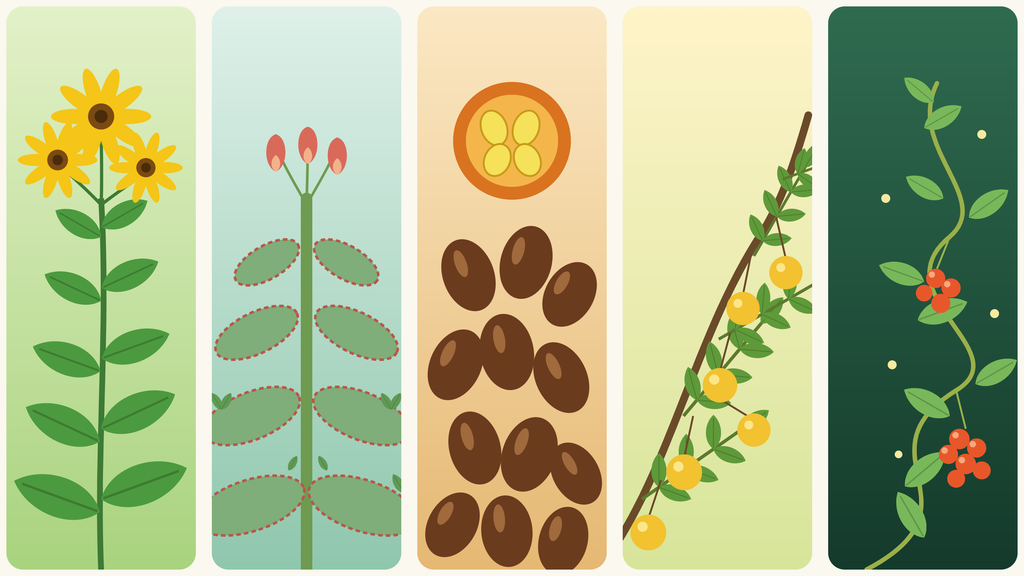
Let’s talk about plants you already know. You’ve seen them by the roadside, in the compound, in your grandmother’s kitchen. Here are five remedies, what is inside them, and what they are used for.
1. Aspilia africana
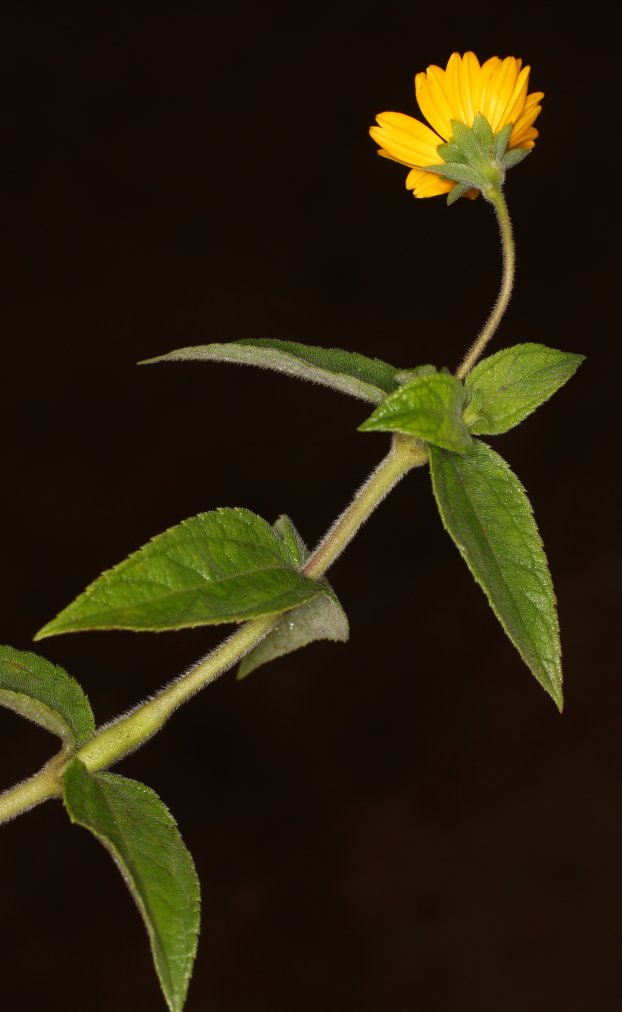
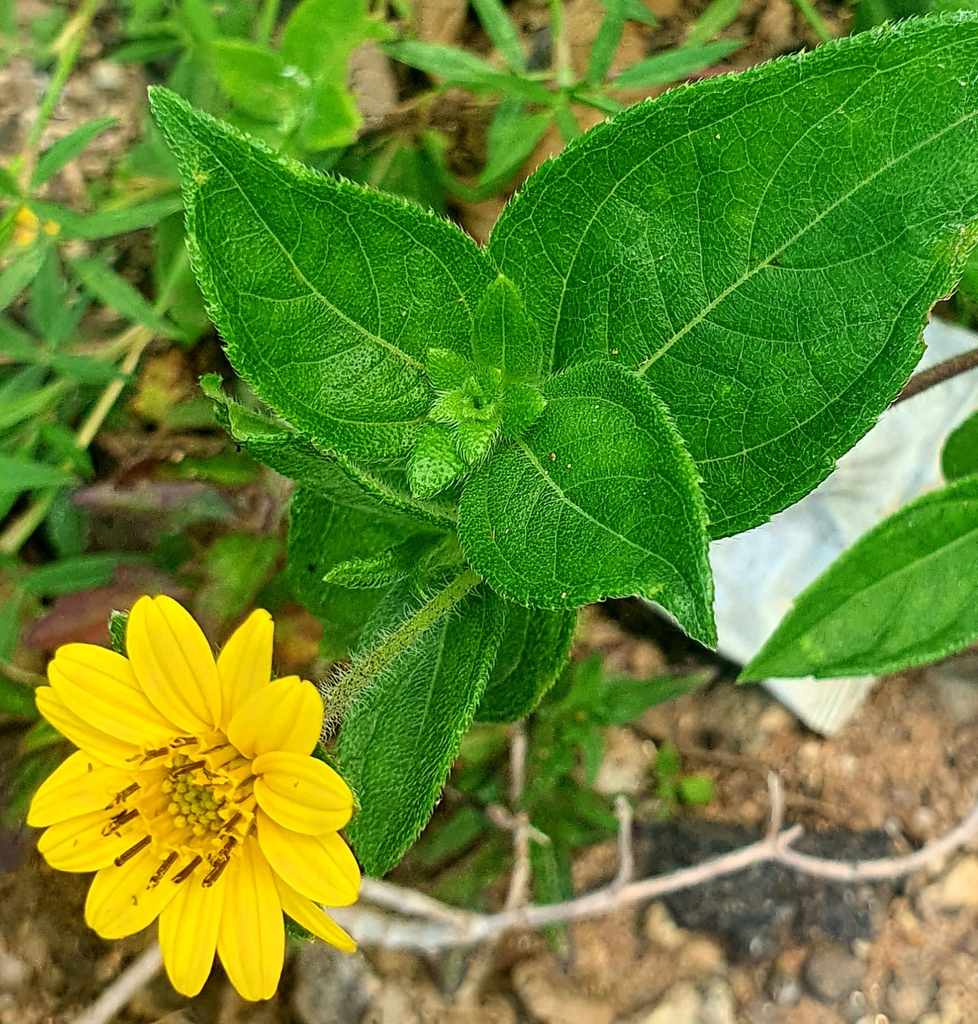
Common name: Haemorrhage plant, wild sunflower
What it looks like. A perennial herb, anywhere from 60 cm to about 1.5 m tall depending on the rain, with small yellow flowers. It grows as a weed on farms and fallow land all over the forest zones of West Africa. Cattle and sheep graze it, and rabbits and hares eat it too.
What is in it. Saponins, flavonoids, alkaloids, tannins and phenolic compounds. The leaf also carries vitamin C, about 26 mg per 100 g dry weight, plus riboflavin, thiamine and niacin.
What it does in the body. Saponin is the main player here. It is the compound that makes a solution foam, it binds cholesterol, and it makes red blood cells clump and coagulate. It also works against fungi, microbes and viruses. The flavonoids and phenols calm inflammation and protect tissue from oxidative damage, and the vitamin C supports collagen and tissue repair.
What it is used for. The crushed leaves and flowers go straight onto cuts, wounds and sores to stop the bleeding. That is the saponin at work, and the antimicrobial action keeps the wound clean while the vitamin C helps it close. The leaf infusion is given to children for stomach troubles, and sometimes it is mixed with clay for the same purpose.
2. Bryophyllum pinnatum
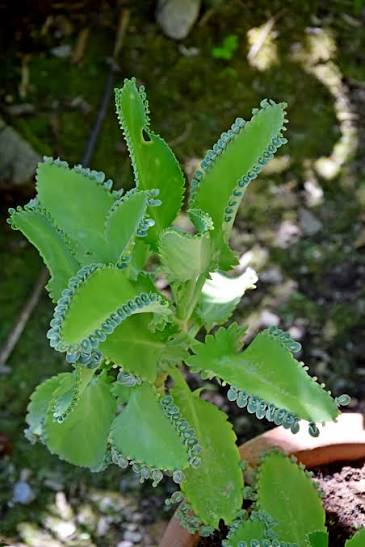
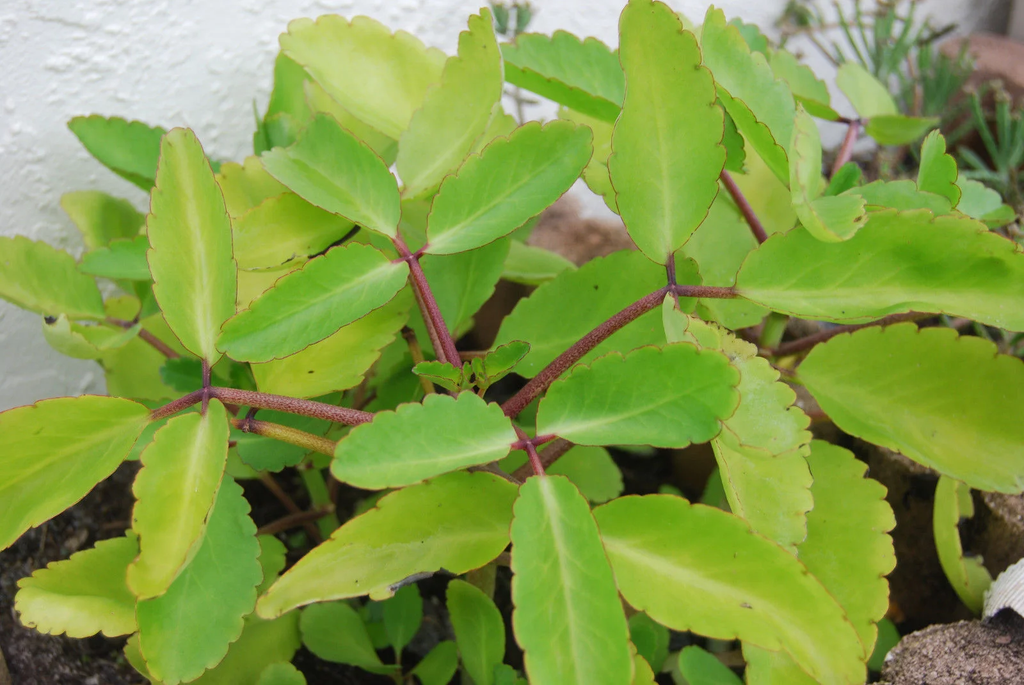
Common name: Air plant, miracle leaf, leaf of life
What it looks like. An erect, succulent shrub about 1.5 m tall. It grows from seed, but the part everyone knows is the leaf edge, where small plantlets form and drop to the ground to make a new plant. It came in as an ornamental and now grows as a weed around plantation crops.
What is in it. Bryophyllin, which is the compound this plant is known for, along with potassium malate and ascorbic, malic and citric acids. It also holds flavonoids, alkaloids, saponins and tannins. Of the five plants, its leaf has the most vitamin C, about 44 mg per 100 g dry weight.
What it does in the body. Vitamin C builds collagen and keeps the capillary walls strong, and that is why tissue heals better with it. The flavonoids and phenolic compounds act against inflammation and bacteria. The leaf extract has been shown to stop Staphylococcus aureus, E. coli, Bacillus subtilis, Pseudomonas aeruginosa, Klebsiella and Salmonella typhi.
What it is used for. Earache, burns, abscesses, boils, whitlow, ulcers, insect bites, diarrhoea and kidney stones. For the skin, the crushed leaf or the juice is mixed with shea butter or palm oil and rubbed on boils, abscesses and swellings. The same preparation goes on ulcers and burns, and on the bodies of young children when they are ill. You can see the link: the swelling comes down, the germs are held back and the tissue repairs, and that covers most of the list.
3. Garcinia kola
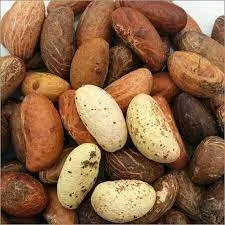
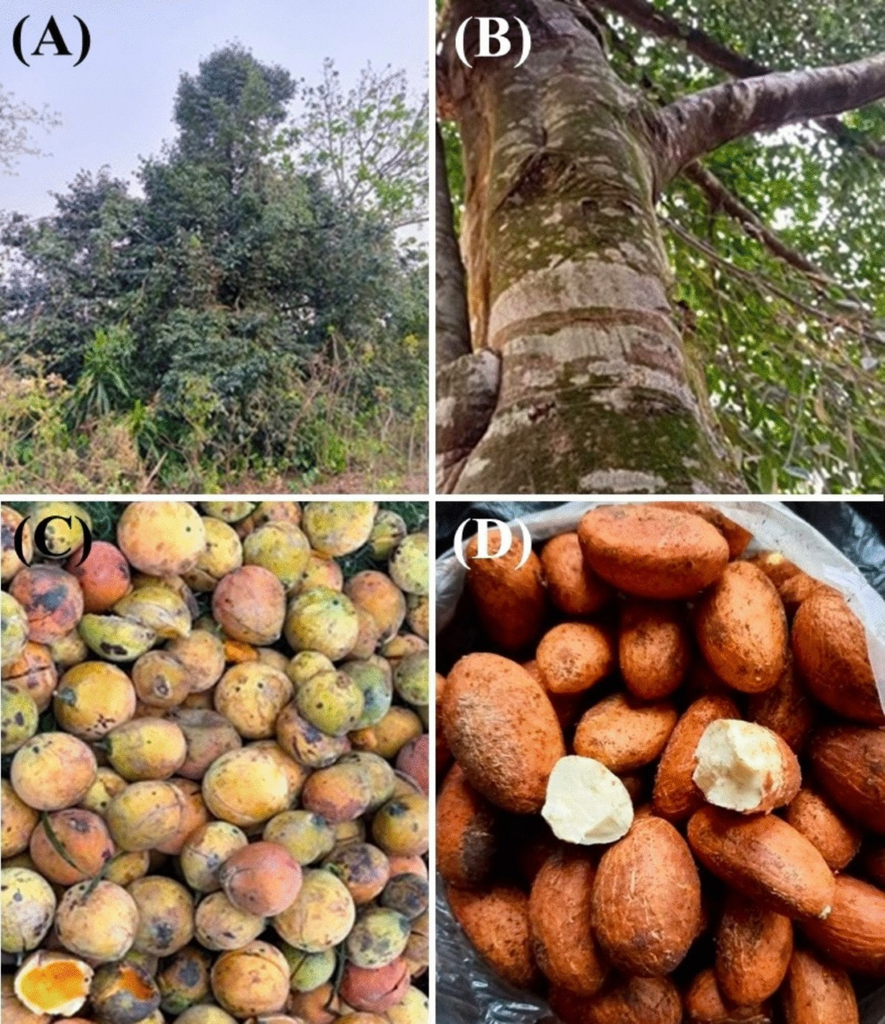
Common name: Bitter kola
What it looks like. A slow-growing tree, 12 to 27 m tall, with grey-brown scaly bark that leaks a thick yellow exudate. The fruit is red, yellow or orange, with a sour pulp and 2 to 4 yellow seeds. The seed is bitter and astringent. Flowers come in December and January, and fruit matures between June and August. The wood is termite-proof.
What is in it. Kolaviron is the key one. It is a mixture of three flavonoids, two garcinia biflavanones (GB1 and GB2) and kolaflavanone, in a ratio of 2:2:1. A flavanone glycoside in the seed gives it the bitterness. The seed also has the highest saponin content of the five, plus vitamin C, riboflavin, thiamine and a good amount of niacin.
What it does in the body. Kolaviron is a powerful antioxidant. It mops up superoxide radicals and stops fats in the cell membrane and in LDL from going rancid, which is what lipid peroxidation means. In the liver, it protects the cells against toxins, including alcohol, paracetamol and thioacetamide, and the death-cap mushroom poison. It is strongly anti-inflammatory and mildly analgesic. The seed extract also stops Pseudomonas aeruginosa, Staphylococcus aureus, Candida albicans, Streptococcus pneumoniae, Streptococcus pyogenes and Haemophilus influenzae, and it has a bronchodilator effect.
What it is used for. Cough, chest colds, catarrh, laryngitis, colic, dysentery, hepatitis and cirrhosis. The antioxidant and liver-protecting action explains the liver use. The antibacterial and bronchodilator action explains the chest and cough use. The seed is also chewed as an aphrodisiac. The latex is used against gonorrhoea and put on fresh wounds, the sap on parasitic skin disease, and the powdered bark on growths. The stem is cut into chewing sticks that clean the teeth. And of course, in Igbo land the seed is offered to a visitor as a sign of peace.
4. Spondias mombin
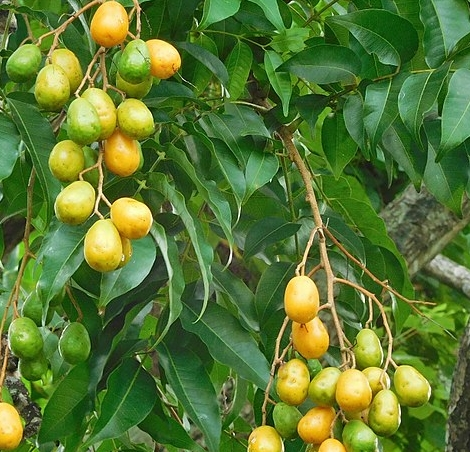
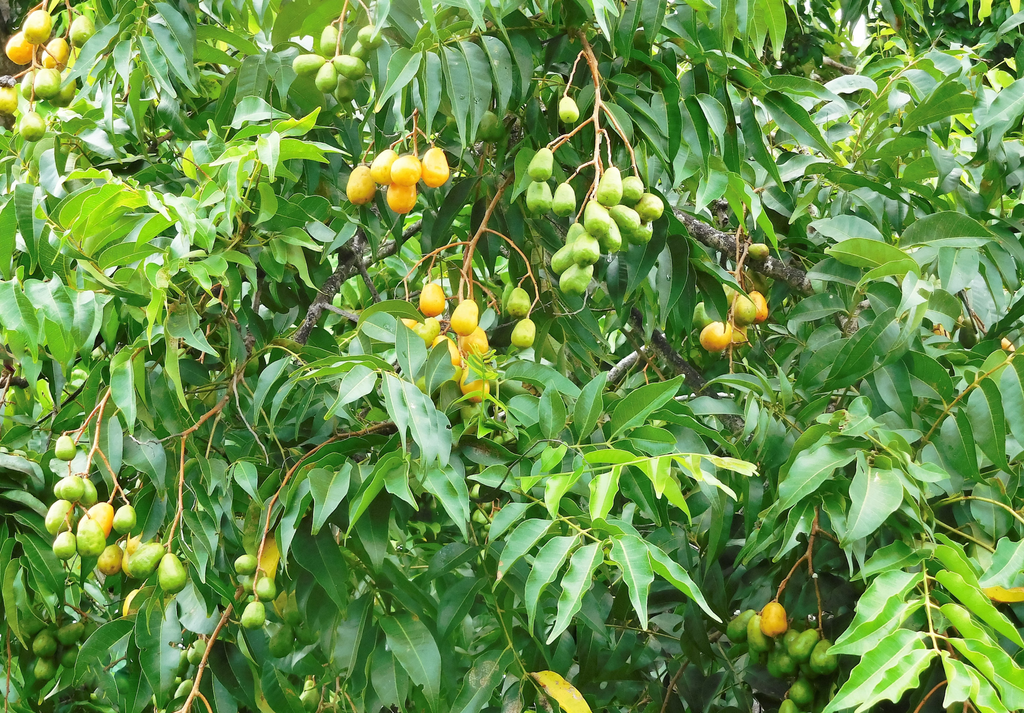
Common name: Hog plum, yellow mombin
What it looks like. A medium to large tree with long compound leaves and yellow fruit about 3.5 cm long, with a pleasantly sour pulp. It fruits in April and May, and again in July and August. People plant it as a live fence because cuttings root easily.
What is in it. Tannins, phenolic esters including caffeoyl esters, saponins, flavonoids and alkaloids. The bark and root are the richest in saponin and tannin. The plant is also reported to hold ergometrine, oxytocin, serotonin, acetylcholine, borneol and cineole.
What it does in the body. Tannins tighten tissue, dry up sores and slow down diarrhoea. They are also antiviral. The saponins and phenols act against germs, and the plant stops Candida albicans. The water extract of the leaf is antibacterial, and the alcohol extract is stronger.
What it is used for. More than almost any other plant on this list. The fruit is a diuretic and antispasmodic, and the fruit syrup is taken for chronic diarrhoea. The fruit decoction bathes wounds and mouth sores. The bark decoction is for ulcers, dysentery, haemorrhoids, gonorrhoea and leucorrhoea, and for stomatitis in infants. The leaf juice is for thrush, and the leaf and bark together are boiled as a febrifuge. The leaf infusion washes cuts, sores and burns. The gum resin is blended with pineapple or soursop juice for jaundice. The wood is shaved and steeped in water as a douche for women. In Eastern Nigeria the leaf and bark are used around childbirth, to expel the placenta and to hasten labour, so we treat it as a plant that acts on the uterus.
5. Uvaria chamae
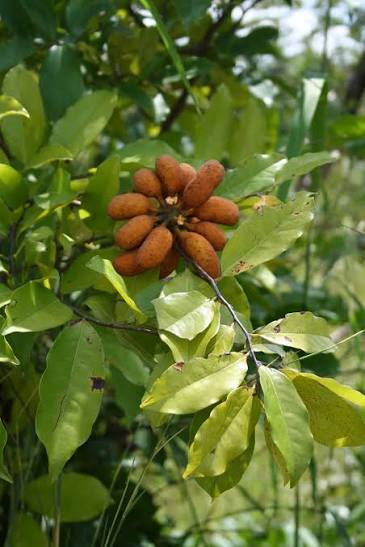
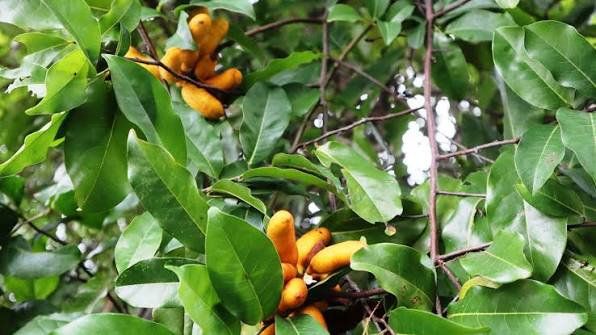
Common name: Bush banana, finger root
What it looks like. A climbing, evergreen plant of the West African rain forest, 3.6 to 4.5 m high, with many branches and sweet, aromatic leaves. It grows wild and is also cultivated.
What is in it. The root is where the action is, and it has the highest alkaloid and flavonoid content of all five plants. The compounds named in it are chamuvaritin, chamanetin, dichamanetin, uvarinol and isouvarinol, along with chalcones and flavones.
What it does in the body. The alkaloids and flavonoids are antimicrobial. Both the water and the alcohol extracts of the root stop Staphylococcus aureus and Bacillus subtilis, and the root also acts against fungi.
What it is used for. The root is a purgative. The root bark is used for respiratory catarrh, and the root extract for piles, heavy menstrual bleeding, nosebleed and blood in the urine. A root infusion is taken for severe abdominal pain, and the juice of the root, stem or leaf goes on wounds and sores.
What this means to us!
The same few groups keep coming up. Saponins clot blood and fight microbes. Tannins tighten tissue and dry up sores and diarrhoea. Flavonoids and phenols calm inflammation and protect cells, and alkaloids go after germs. Vitamin C holds the tissue together while it heals. Once you know which group is strong in which plant, the uses stop looking random. Aspilia is the plant for bleeding. Bryophyllum is for swellings and skin. Bitter kola is for the liver and the chest. Hog plum is for the gut, sores and women’s complaints. Uvaria is for bleeding disorders, piles and pain in the belly.
These are the plants our people have trusted for generations. Know what is in them, know what it does, and you will know when to reach for each one.
Curiosity Fact of the Week
Bitter kola is not a kola nut at all. Garcinia kola belongs to the mangosteen genus in the family Clusiaceae, while Cola acuminata, the source of the true kola nut, belongs to the mallow family, Malvaceae. The two aren’t related, even though people call bitter kola “male kola” and the true kola nut “female kola.” Bitter kola’s real relatives are the mangosteen and the other Garcinia species.
 Explore our programmes:
https://cyrilliccollegehht.com/programmes/
 Speak with our admissions team:
https://wa.me/message/I2HANGAAVNMGI1
 Visit Cyrillic College:
https://cyrilliccollegehht.com/
 Want more?
These articles come out every Friday, bringing you fascinating questions about the human body, health and the science behind both, explained without the headache.
Subscribe here:
Until next Friday…
Stay curious.