
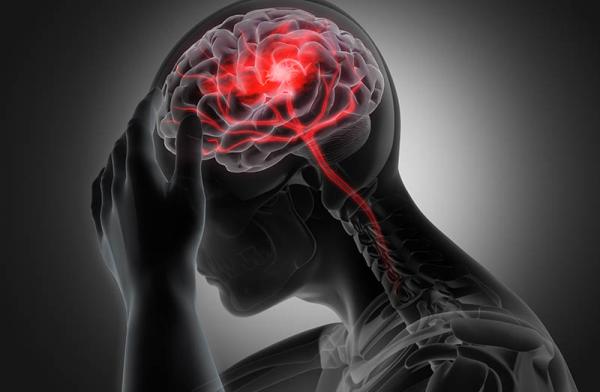
Why Calming the Mind Heals the Brain
“Stress is not just a feeling—it is a physical barrier to healing.”
One of the most overlooked factors hindering stroke recovery is emotional and psychological stress. Following a stroke, many survivors experience overwhelming emotions: fear, frustration, anxiety, or depression. But beyond feelings, these states have a profound impact on brain function and healing.
This week, we spotlight the vital importance of stress reduction — and how natural, homeopathic, and integrative therapies can help the brain recover more fully and more peacefully.
How Stress Impacts the Healing Brain
After a stroke, psychological stress activates the sympathetic nervous system — the body’s “fight or flight” mode — which:
- Elevates blood pressure and heart rate
- Increases inflammation
- Inhibits neuroplasticity (the brain’s healing mechanism)
- Disrupts sleep, appetite, and mood stability
In this state, the brain has a harder time rewiring itself or responding to rehabilitation. Stress literally blocks recovery.
Pathways to Peace: Natural Strategies for Emotional Balance
Effective stroke recovery must address not just the body — but also the mind and emotions. These integrative tools are essential:
1. ? Mindfulness & Deep Breathing
Practices like guided breathwork, meditation, and mindfulness lower cortisol levels and activate the parasympathetic nervous system — the body’s healing mode.
2. ? Herbal Adaptogens
Botanicals like Ashwagandha, Lemon Balm, and Rhodiola help restore the body’s natural stress response and improve emotional resilience.
3. ? Homeopathy: Gentle, Personalized Healing
Homeopathy offers subtle yet powerful support for emotional healing post-stroke. Remedies are selected based on the individual’s emotional state and constitution, making them highly personalized and side-effect-free.
Some commonly used remedies include:
- Aconitum napellus – For acute fear, panic, or shock after a stroke.
- Ignatia amara – For grief, suppressed emotions, or emotional tension.
- Gelsemium sempervirens – For performance anxiety, tremors, or emotional weakness.
- Arsenicum album – For restlessness, fear of death, or perfectionistic tendencies.
Homeopathic care is non-invasive, safe alongside other therapies, and often brings subtle yet noticeable improvements in mood, sleep, and overall vitality.
4. ? Yoga, Hydrotherapy, Nature Exposure
Movement and nature-based therapies reconnect body and mind, helping the brain reset its stress response.
5. ? Community Support
Group therapy, caregiver training, and survivor stories help combat isolation and build hope.
What We Teach at Cyrillic College
In our integrative naturopathic approach, mental and emotional health are just as important as physical rehabilitation.
That’s why our upcoming workshop includes sessions on:
- Lifestyle medicine for emotional wellness
- Stress-reducing therapies like hydrotherapy, yoga, and neuro-acupuncture
- Real stories of recovery against all odds
You’re Invited: Reclaim Your Calm, Reclaim Your Health
?️ July 7–11, 2025
? Online – Attend from anywhere
? Free Registration
? Expert sessions, case studies, and therapy demos
Theme: Reclaiming Health After Stroke: Natural & Integrative Approaches to Recovery
? Register Here
? Contact: 07088744525
Final Thought
A calm mind is not a luxury — it is medicine for the brain.
Let’s begin the journey of recovery not just with pills and procedures, but with peace and presence.
#StrokeRecovery #StressAwareness #HolisticHealing #MindBodyMedicine #CyrillicCollege #NaturopathicApproach #HealingAfterStroke #EmotionalWellness