
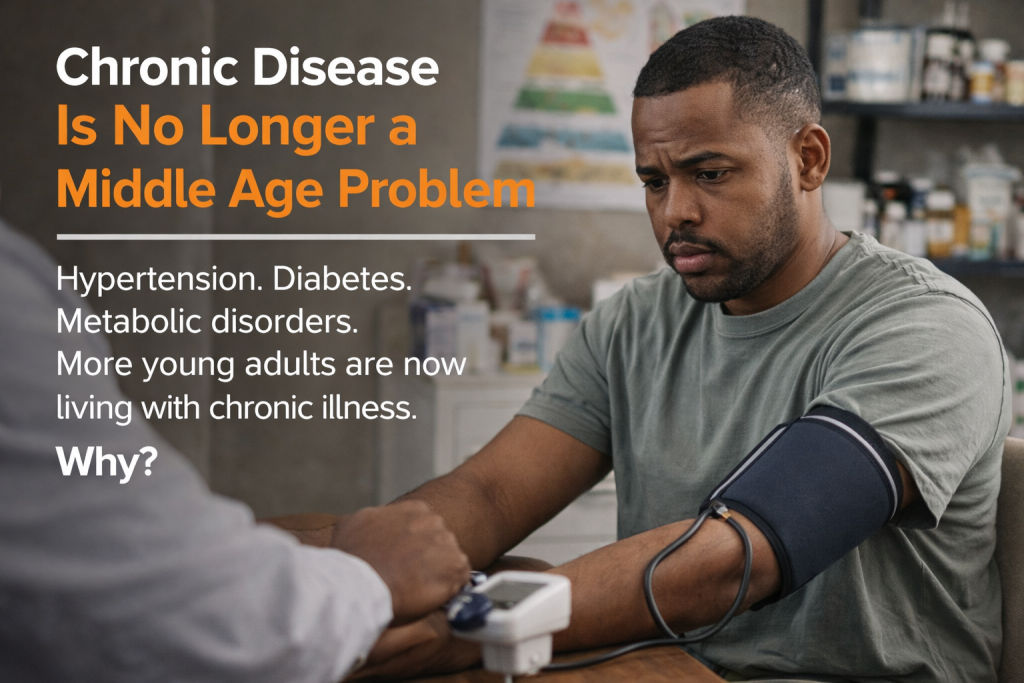
A few years ago, seeing a patient in their late fifties or sixties with hypertension or type 2 diabetes was routine. These conditions were seen as part of ageing, shaped by decades of lifestyle patterns and gradual metabolic changes. Today, that picture is shifting. Across clinics and hospitals, practitioners are increasingly seeing patients in their thirties and forties, and sometimes even younger, already managing conditions once associated with much later stages of life. Elevated blood pressure, early diabetes, fatty liver disease, obesity, sleep disorders, and chronic fatigue are appearing earlier and progressing faster. The question practitioners are now quietly asking is simple. Why are chronic diseases arriving so early? And perhaps more importantly, what does this mean for healthcare practice moving forward?
A New Pattern Emerging in Clinics
Many practitioners can recognise the pattern immediately. A patient in their mid thirties presents with persistent headaches. Blood pressure is elevated. Routine tests reveal early metabolic changes. Another patient in their early forties complains of constant fatigue, only to discover poorly controlled blood sugar levels. Even more concerning, some patients already show early complications. Kidney strain, nerve pain, visual disturbances, or cardiovascular risk factors appear far sooner than expected. For many practitioners, this trend is no longer occasional. It is becoming normal.
The age profile of chronic disease patients is changing, and healthcare systems are only beginning to grasp the implications.
Lifestyle Has Changed Faster Than Biology
Human biology evolves slowly, but lifestyle patterns can change within a generation. Urban living has dramatically reshaped daily routines. Many people now spend long hours seated at work, commuting in heavy traffic, and returning home exhausted. Physical activity that once occurred naturally through daily movement has largely disappeared. Dietary patterns have shifted as well. Fast foods, processed meals, sugary beverages, and high calorie convenience foods are increasingly common, especially in urban areas where time is limited and cooking routines are changing. Sleep quality has declined for many people due to work stress, digital distractions, and irregular schedules. Add economic pressures and job insecurity, and chronic stress becomes a daily experience rather than an occasional challenge. These lifestyle changes accumulate quietly over years, often without obvious warning signs until disease develops.
The Silent Progression of Metabolic Disease
One of the challenges practitioners face is that metabolic disorders develop silently. High blood pressure often produces no symptoms until complications arise. Insulin resistance builds gradually. Fatty liver disease progresses without early discomfort. Elevated cholesterol levels remain unnoticed without testing. Young adults rarely see themselves at risk. Many avoid routine medical checks unless symptoms become severe. As a result, disease processes may already be well established by the time diagnosis occurs. Practitioners increasingly encounter patients who appear outwardly healthy but carry significant underlying metabolic risk. The younger age at diagnosis means patients may live with chronic disease for decades, increasing the likelihood of long term complications.
Stress and Economic Pressures Play a Role
Beyond lifestyle factors, economic and social pressures are influencing health outcomes. Younger adults today often face demanding work environments, financial responsibilities, and uncertainty about future stability. Long working hours and multiple income sources leave little time for exercise or structured self care. Mental stress also affects physical health. Chronic stress influences sleep patterns, hormonal balance, eating behavior, and inflammatory processes. Over time, this contributes to weight gain, metabolic disorders, and cardiovascular risk. Healthcare practitioners increasingly observe the link between stress and physical illness, especially among younger patients balancing intense professional and personal demands.
Digital Living and Reduced Physical Activity
Technology has transformed how people work, socialize, and relax. While digital tools offer enormous benefits, they also encourage prolonged inactivity. Work, communication, entertainment, and shopping now happen through screens. Many people move far less than previous generations. Even leisure time is often spent seated. Young adults may spend most of their waking hours in sedentary environments, whether at work, in traffic, or at home.Reduced movement combined with high calorie diets creates the perfect environment for weight gain and metabolic disruption. Practitioners increasingly see patients who are not inactive by choice, but whose environments simply do not support regular movement.
The Psychological Impact of Early Diagnosis
Receiving a chronic disease diagnosis at a young age carries emotional consequences. Patients in their thirties or forties may feel shocked or discouraged. Some struggle to accept long term medication use. Others fear the implications for work productivity and family responsibilities. Adherence becomes a challenge when patients do not yet feel ill. Without symptoms, motivation to sustain lifestyle changes or medication routines can fade quickly. Practitioners must now address not only disease management but also emotional adjustment to long term health conditions appearing earlier than expected.
Long Term Implications for Healthcare Systems
If chronic diseases continue appearing earlier, healthcare systems will face growing pressure. Patients will require monitoring and treatment over longer periods. Complications such as heart disease, kidney failure, and stroke may occur at younger ages, affecting productivity and family stability. Healthcare costs will likely rise, and demand for skilled practitioners capable of managing complex long term conditions will increase. This trend highlights the urgent need for preventive care strategies and early intervention rather than waiting for advanced disease stages.
Rethinking Prevention and Patient Education
For practitioners, this shift demands changes in approach. Screening must begin earlier. Lifestyle counseling should not be reserved only for older patients. Conversations about nutrition, physical activity, stress management, and sleep quality must become routine across all adult age groups. Small achievable changes often work better than ideal but unrealistic recommendations. Encouraging gradual dietary adjustments, simple physical activity routines, and stress reduction practices may produce sustainable improvements. Education must also address misconceptions. Many young adults still believe chronic diseases are distant concerns, not immediate risks. Helping patients understand early warning signs and preventive measures can alter long term outcomes.
Integrating Care Approaches
Addressing early chronic disease also requires collaboration across healthcare disciplines. Medical treatment alone cannot fully address lifestyle driven conditions. Nutritional counseling, physical therapy, mental health support, and community health initiatives all contribute to better outcomes. Integrative approaches that consider physical, emotional, and social influences help practitioners tailor care to real life circumstances rather than ideal scenarios. This collaborative model increasingly represents the future direction of effective healthcare delivery.
Looking Ahead
The emergence of younger chronic disease patients signals a turning point in healthcare practice. Practitioners must adapt to longer disease trajectories, more complex lifestyle influences, and the emotional realities faced by younger patients managing long term conditions. Yet this challenge also presents opportunity. Earlier detection allows earlier intervention. Lifestyle adjustments made in the thirties or forties can prevent severe complications later in life. Healthcare practice can shift from crisis management to long term health preservation. The key lies in recognising that the patient profile has changed. Disease no longer waits for old age.
The new chronic disease patient is younger, busier, and navigating pressures unknown to previous generations. Meeting their needs requires healthcare that is proactive, practical, and responsive to modern living realities. And for practitioners willing to evolve alongside these changes, the opportunity to improve long term health outcomes has never been greater.